
Quiet Places in Sultanahmet: How to Escape the Crowds (Starting at 09:00)
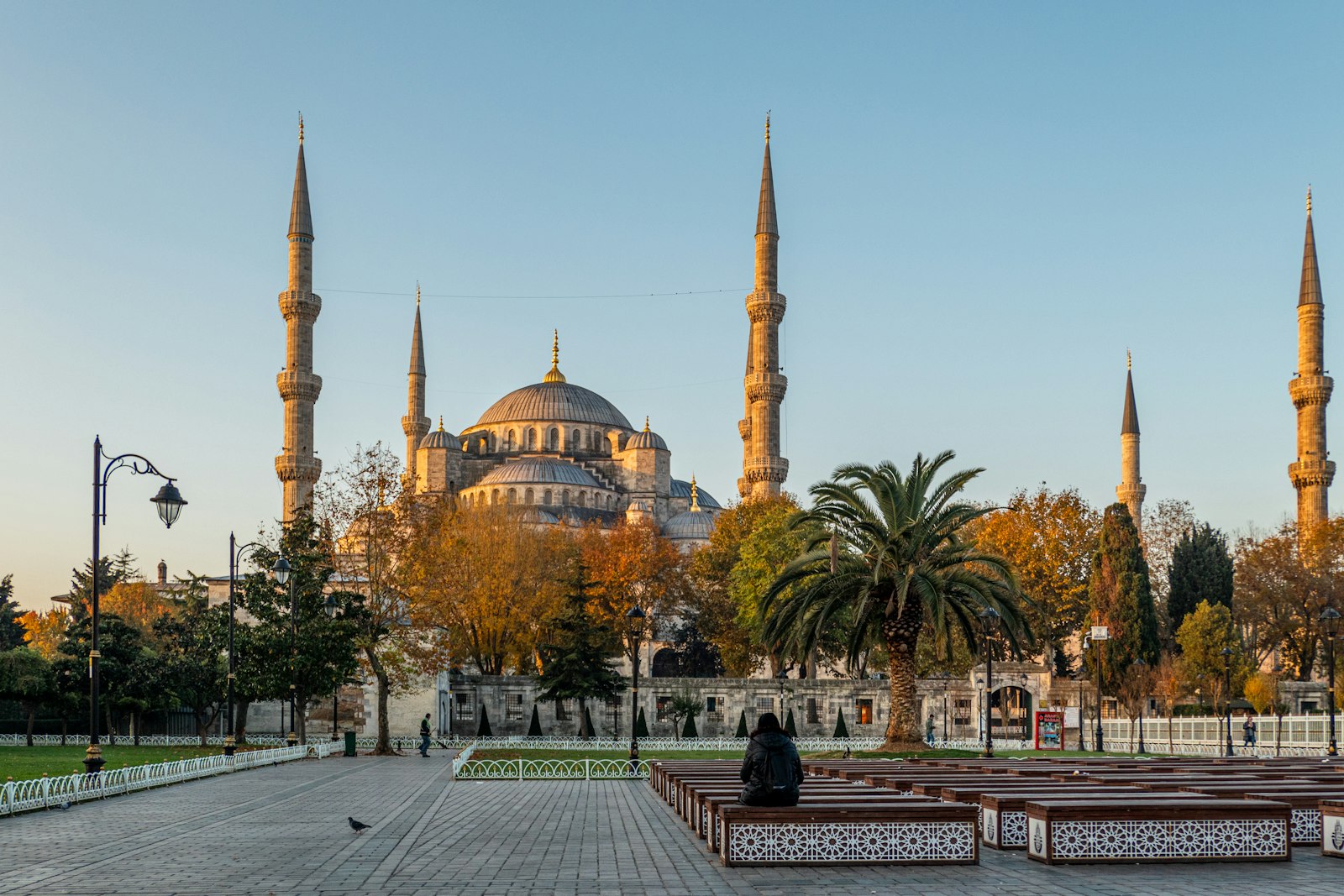
The quietest hour in Sultanahmet is between nine and ten in the morning, when the tour buses have not yet unloaded, the Hippodrome belongs to pigeons and street sweepers, and you can hear the fountain from across the square — which is why we open at 09:00, and why this guide starts there. Sultanahmet receives a very large share of everyone who visits Istanbul, and by eleven it feels like it. But the crowd has a shape and a timetable, and once you know both, quiet is easy to find.
Go early
Between nine and ten the square is at its best. The stone is still in shadow, the light comes in low across the Blue Mosque’s domes, and the benches along the Hippodrome are empty. This is the hour for a slow Turkish Tea (₺160) at a window table, or a Flat White (₺340) at a terrace table with nobody at the next one. Check the monuments’ current opening hours before you plan around them; the point is to be on the square before the groups, not necessarily inside the buildings.
Come back late
The second quiet window is the last two hours of the afternoon. The groups leave for dinner, the day-trippers head for the tram, and from about five the square empties again while the light turns gold on the minarets. We close at 19:00, so there is time for a Filter / Black Coffee (₺340) and the best view of the day.
Walk away from the monuments
Sultanahmet’s crowd is concentrated in a narrow corridor between Hagia Sophia and the Blue Mosque. Five minutes in almost any other direction and it thins to nothing.
- Küçük Ayasofya. Walk downhill from the Hippodrome toward the sea and you reach the Little Hagia Sophia, built under Justinian in the 530s as the Church of Saints Sergius and Bacchus, a generation before its bigger namesake. It has a calm courtyard, a tea garden and almost no queue.
- Sokollu Mehmed Paşa Mosque. Nearby in Kadırga, a Mimar Sinan mosque from the early 1570s with some of the finest İznik tiles in the city and a fraction of the Blue Mosque’s visitors.
- Arasta Bazaar. The covered row of shops behind the Blue Mosque is what the Grand Bazaar would be if it were quiet.
- Soğukçeşme Sokağı. The cobbled lane of restored Ottoman wooden houses between Hagia Sophia and the walls of Topkapı Palace, often empty in the morning.
- Gülhane Park. On the far side of Topkapı, the old outer garden of the palace: plane trees, benches, and locals rather than tour groups.
Our window seats
Inside, the wooden seating runs along the windows, and in the afternoon the sun moves across the benches and the plant on the sill — the photographs in our gallery were taken there. It is where guests bring a book. The terrace outside sits under the trees on the square, and because what it faces is plane trees and minarets, it is calmer than its address suggests. Both are quiet enough to hear the spoon in the cup.
A quiet order
Some drinks are made for sitting. Turkish Coffee (₺370) cannot be hurried; it arrives with its foam and its glass of water and asks you to stay until the grounds have settled. A filter coffee lasts twenty minutes if you let it. And a glass of tea, refilled, is the oldest excuse for staying put that the city has. The full board is on the menu page.
Two courtesies
Mosques are quietest, and most welcoming to visitors, outside prayer times; avoid Friday midday altogether. And the reason the early square is quiet is that the people who live and work here are starting their day — a good morning to the street sweeper costs nothing.
We are at At Meydanı Cd. No:10/1, beside the Hagia Sophia ticket office, every day from 09:00 to 19:00. Come at nine. You will have the Hippodrome, and the coffee, almost to yourself.