
The Hippodrome of Constantinople: What Stood Where At Meydanı Is Today
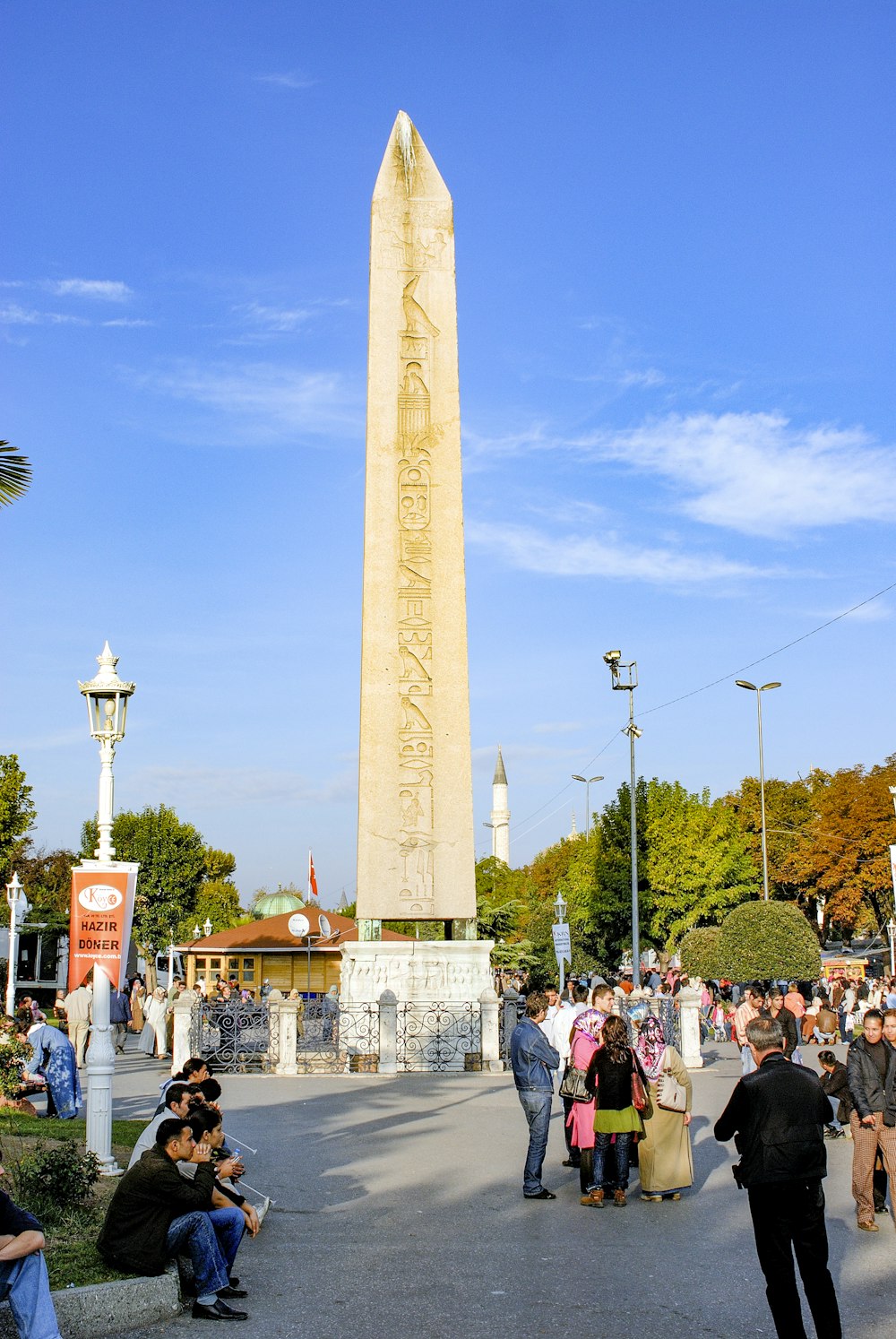
At Meydanı, the long square between the Blue Mosque and the Hagia Sophia ticket office, is the Hippodrome of Constantinople: a chariot-racing stadium begun by the emperor Septimius Severus around 203 AD, enlarged by Constantine when he made the city his capital in 330, and for close to a thousand years the loudest place in the Byzantine world. Our café stands on its edge, and the Obelisk is one minute from the door. This is what the ground under your coffee cup has seen.
The stadium
The Hippodrome was a U-shaped arena roughly 450 metres long, with tiers of seating for tens of thousands and a curved southern end, the sphendone, whose massive brick substructures still hold up the far end of the square today. Down the middle ran the spina, a raised barrier decorated with statues and monuments around which the chariots turned. The emperor watched from the kathisma, an imperial box connected directly to the Great Palace behind it, so that he could appear to the crowd without walking through it.
Four gilded bronze horses stood above the starting gates. They left in 1204 with the Fourth Crusade and now stand in St Mark’s in Venice.
The three monuments on the spina
Three pieces of the spina survive in place, and you can walk the line of them in five minutes.
The Obelisk of Theodosius was carved for the pharaoh Thutmose III in the fifteenth century BC and stood at Karnak before Theodosius I had it shipped to Constantinople and raised here in 390 AD. Only the upper section survived the journey, about twenty metres of pink granite. The marble base is the more revealing part: its reliefs show Theodosius and his family in the kathisma, kneeling barbarians, a chariot race in progress, and, on one side, the obelisk itself being hauled upright with ropes and winches.
The Serpent Column is older still. Three bronze serpents twisted around one another were cast by the Greek cities to celebrate their victory over the Persians at Plataea in 479 BC and dedicated at Delphi; Constantine brought the column here. The serpent heads were lost centuries ago — the upper jaw of one is in the Istanbul Archaeology Museums — leaving the coil you see today.
The Walled Obelisk at the far end is a rough core of stone blocks. In the tenth century the emperor Constantine VII sheathed it in gilded bronze plates; the crusaders of 1204 stripped them off, believing them to be solid gold.
The Blues and the Greens
Racing teams in Constantinople were factions with political weight, and the two that mattered were the Blues and the Greens. In January 532 they united against the emperor Justinian, and the riot that began in the Hippodrome, with the crowd chanting nika — “win” — burned half the city, including the church that stood where Hagia Sophia now does. Justinian prepared to flee; the empress Theodora is recorded as refusing. His general Belisarius sealed the Hippodrome and the uprising ended in a massacre on this ground, with the dead conventionally counted in the tens of thousands. The Hagia Sophia you can see from the square is the building Justinian raised in the aftermath, finished in 537.
The Ottoman horse square
After 1453 the Ottomans called it At Meydanı, the Square of Horses, and used it much as the Byzantines had: for ceremonies, festivals and parades. The circumcision festival of 1582 for Murad III’s son ran for weeks here. İbrahim Paşa, grand vizier to Suleiman the Magnificent, built his palace along the western side; it now houses the Museum of Turkish and Islamic Arts. The German Fountain at the northern end was a gift from Kaiser Wilhelm II, marking his 1898 visit and inaugurated in 1901.
Standing on it today
The modern ground level sits several metres above the ancient track, so when you walk the square you are walking on top of the arena, not in it. The seating is gone, the spina is a row of monuments in a garden, and the crowds are tourists rather than factions. But the shape is exactly the same, and early in the morning, before the groups arrive, you can still read it.
We named the café Roots & Roasted partly for this: roots in the square that has been the city’s meeting place for seventeen centuries, and roasting as the craft we add to it. Our address is At Meydanı Cd. No:10/1, and we are open every day from 09:00 to 19:00. Have a Filter / Black Coffee (₺340) at a terrace table, look down the line of the spina, and picture the horses turning. Then walk it. You will find the rest of Sultanahmet on our home page.