
Coffee Culture in Turkey: From the Ottoman Kahvehane to Third-Wave Specialty
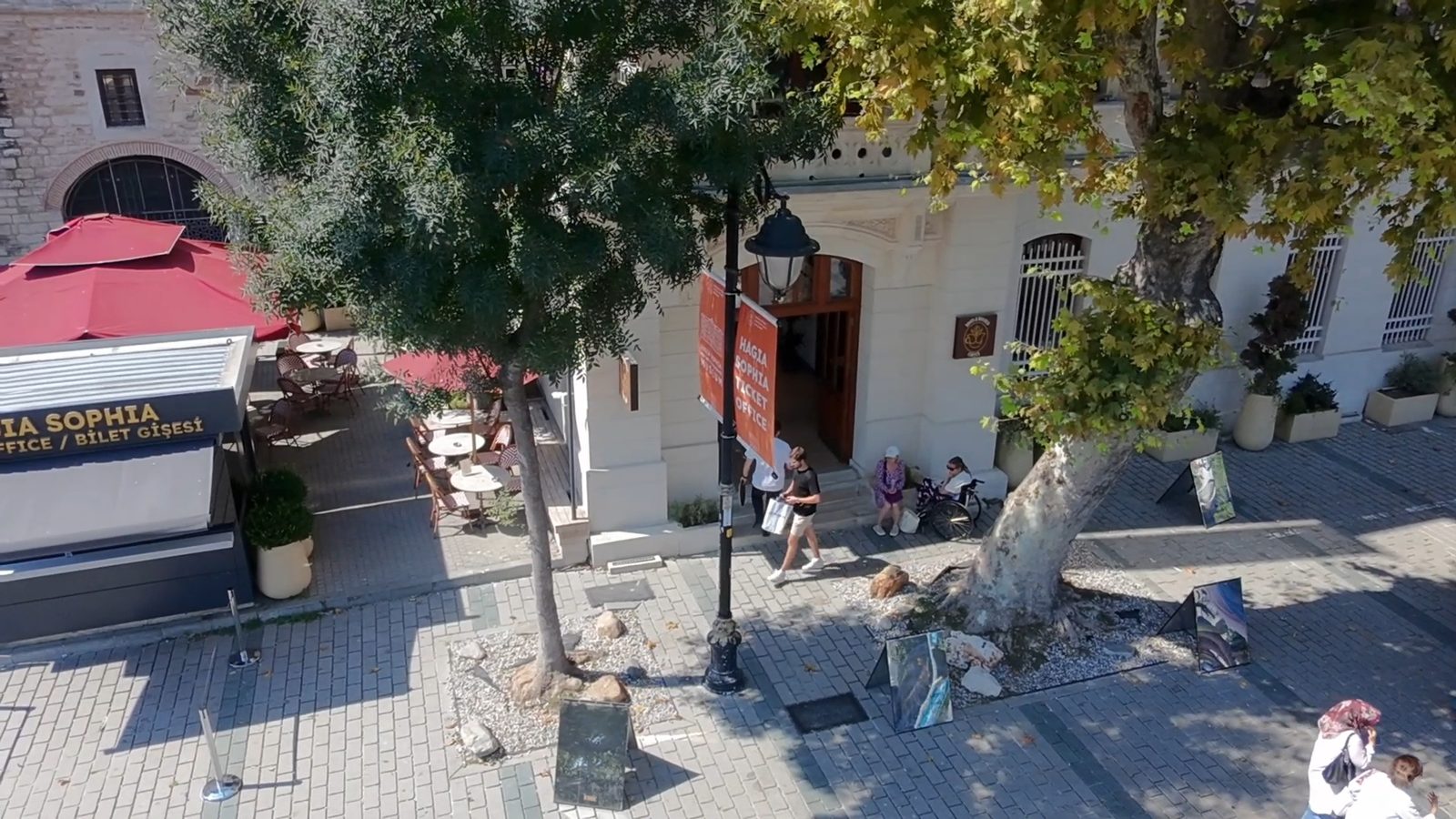
Coffee culture in Turkey runs in an unbroken line from the Ottoman coffeehouses of the 1550s to the specialty coffee bars of today, and Istanbul is where both began: the first kahvehane in the city opened under Suleiman the Magnificent, and the third-wave roasteries of the 2010s grew up a few kilometres from it. Our café sits on the square between those two histories, with a cezve on one side of the counter and an espresso machine on the other. This is how the two ended up in the same room.
Coffee arrives
Coffee reached the Ottoman world from Yemen, where it was grown on terraced hillsides and drunk first by Sufi orders to stay awake for night prayers. Once Yemen came under Ottoman rule in the sixteenth century, the beans travelled north through Cairo and Mecca to the capital. The Ottoman chronicler Peçevi records that around 1554 two traders, one from Aleppo and one from Damascus, opened the first coffeehouses in Istanbul in the Tahtakale district near the harbour. Within a generation the drink had a name, a ritual and an institution.
The kahvehane
The kahvehane was the first public space in the city where men could gather that was neither a mosque nor a tavern. People came for the coffee and stayed for everything else: backgammon and chess, storytellers, the meddah’s one-man performances, Karagöz shadow puppets, poetry, gossip and, inevitably, politics. That last part worried the palace. Sultan Murad IV banned coffeehouses in 1633 and enforced the ban severely, and other rulers tried before and after him. None of the bans held. By the nineteenth century a more respectable cousin had appeared — the kıraathane, literally a reading house, with newspapers on the tables — and the coffeehouse had become simply part of how Turkish towns work.
Coffee as ritual
What the Ottomans built around the cup outlasted the empire. Turkish coffee is brewed slowly in a cezve, judged by its foam, served with water and something sweet, and read afterwards in the grounds. It is the drink of a marriage proposal, when the bride-to-be traditionally makes coffee for the groom’s family, and of the proverb that a single cup of coffee is remembered for forty years. In 2013 UNESCO inscribed Turkish coffee culture and tradition on its list of the intangible cultural heritage of humanity, and it did so for the hospitality as much as the recipe.
Tea takes over
For most of the twentieth century, the everyday drink of Turkey was not coffee at all. Yemen was lost with the First World War, imported coffee became expensive, and the young republic planted tea on the Black Sea coast around Rize from the 1930s. Tea became the drink of every hour and every shop; coffee became the drink of the occasion. That is still the pattern you will see on our board, where a Turkish Tea is ₺160 and a Turkish Coffee ₺370: tea is poured all day, coffee is made with ceremony.
The third wave arrives
Specialty coffee — the movement that treats coffee like wine, with traceable farms, careful roasting and precise brewing — reached Istanbul in the early 2010s, and the city took to it quickly. Roasteries appeared in Karaköy, Kadıköy and Beşiktaş, baristas began competing in national championships, and Turkish roasters started showing up at world finals. Calibre Coffee, the Istanbul roastery that supplies our beans, is the roastery behind the 2023 World Coffee Roasting Championship runner-up. A country that had been drinking coffee for five centuries turned out to be very good at the new version of it.
Where we stand
The name of the café is the whole argument. Roots is the kahvehane inheritance: a place on a square where you are a guest rather than a customer, where the drink is an excuse to sit, where tea is poured and the cup is read. Roasted is the third wave: beans chosen for origin, roasted by a championship roastery, dialled in by baristas every morning before we open at 09:00.
So the board carries both. An Espresso is ₺280 and a Turkish Coffee is ₺370, and neither is a novelty item. Order one in the morning and the other in the afternoon, at a terrace table on the Hippodrome, and you will have covered five hundred years of Istanbul in two cups. The full board is on the menu page, and the rest of the story is on our home page.