
Turkish Coffee vs Specialty Coffee: Two Traditions, One Counter
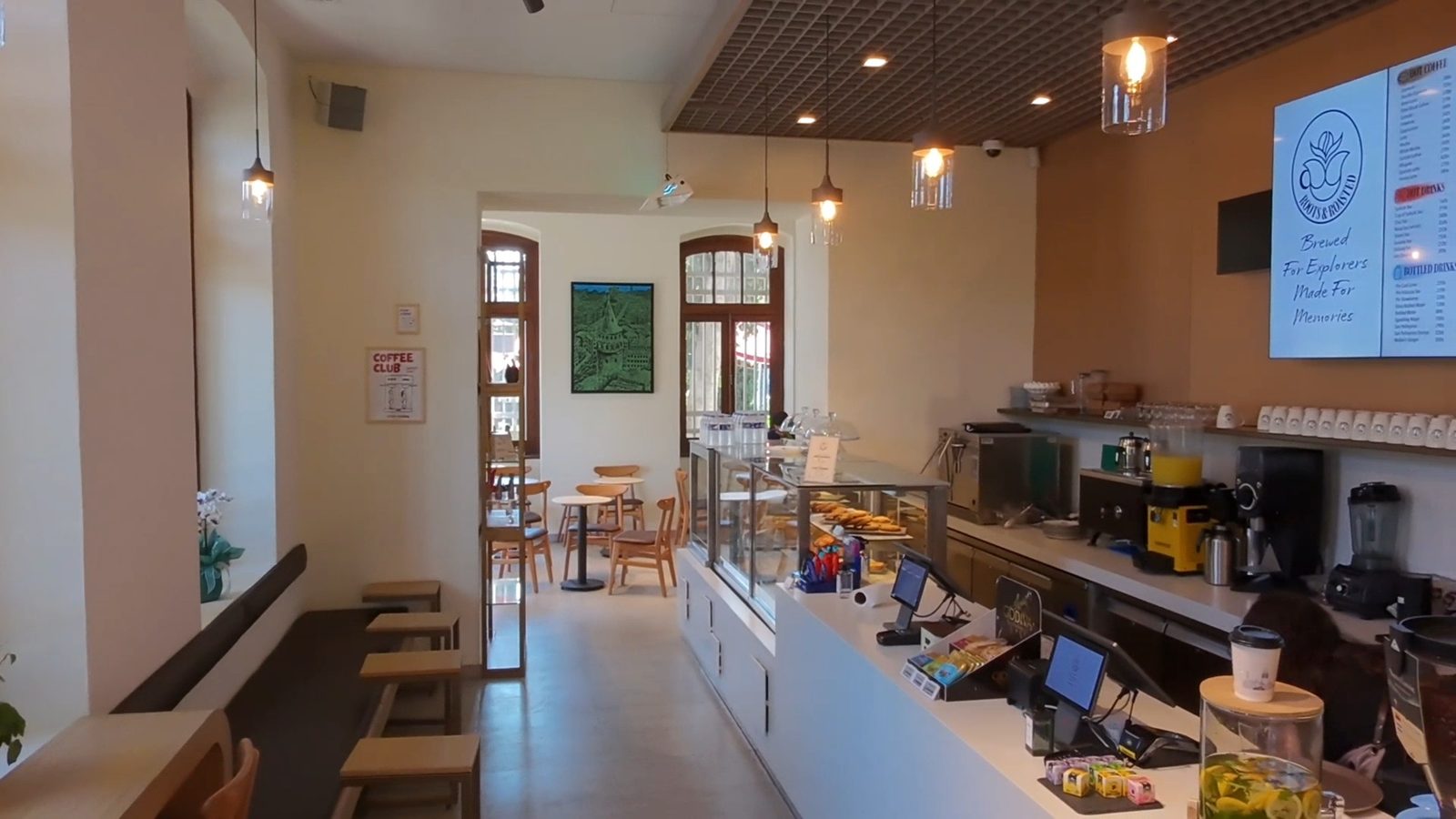
Turkish coffee and specialty coffee are two different traditions rather than two strengths of the same drink: one is ground as fine as flour, brewed unfiltered in a small copper pot and judged by its foam; the other is weighed to the gram, extracted under pressure or through paper, and judged by how clearly you can taste the farm it came from. We serve both at the same counter on the Hippodrome, and the most common question we get is which one to order. Here is how to think about it.
What Turkish coffee is
Türk kahvesi is a brewing method, not a bean. Very finely ground coffee is stirred into cold water in a cezve, sugar is added at the start (or not), and the pot is heated slowly until the coffee rises. It is poured unfiltered, grounds and all, into a small cup and served with a glass of water and often a piece of lokum. You drink it slowly, stop before the sediment, and if you are in the right company someone turns the cup over to read your fortune in the grounds.
The method is old enough to have shaped the language: kahvaltı, the Turkish word for breakfast, literally means “before coffee”. In 2013 UNESCO added Turkish coffee culture and tradition to its list of intangible cultural heritage, which tells you the drink is as much about hospitality as about caffeine.
What the foam means
The foam, köpük, is the thing Turkish coffee drinkers look at first. It forms when the coffee is brought up to temperature gently and lifted off the heat just as it rises, then spooned into the cup before the rest is poured. A cup with a thick, even layer of foam says the coffee was fresh, finely ground and never boiled hard. A flat cup says the opposite, and in the old coffeehouses serving one to a guest was close to an insult. When ours arrives, look at the surface before you look at anything else.
Sugar is decided before brewing because it goes into the pot: sade (no sugar), az şekerli (a little), orta (medium) and şekerli (sweet). If you are unsure, orta is the safe middle.
What specialty coffee is
Specialty coffee starts with green beans graded 80 points or above on a hundred-point scale, traceable to a region or a single farm, and roasted to show that origin rather than hide it. From there it is a discipline of measurement: a dose weighed on a scale, water at a set temperature, an espresso timed in seconds, a filter brew poured in stages. The goal is transparency. A washed Ethiopian should taste of citrus and tea; a natural Brazilian of chocolate and nuts.
Our beans come from Calibre Coffee, the Istanbul roastery behind the 2023 World Coffee Roasting Championship runner-up, and our baristas re-dial the grinder every morning before the first cup.
How to order both at Roots & Roasted
On the specialty side, an Espresso is ₺280, a Double Espresso ₺340 and a Filter / Black Coffee ₺340, with milk drinks like the Flat White and Cortado at ₺340. On the traditional side, Turkish Coffee is ₺370; tell the barista how sweet you want it when you order, because there is no adding sugar afterwards. The full board is on our menu page.
If you would like to try it at home, we have written up the cezve method step by step in our recipes.
Which should you drink?
Both, ideally on the same day. A morning espresso or flat white before the monuments open shows you what careful roasting tastes like. A Turkish coffee in the afternoon, sipped slowly on the terrace with the square in front of you, shows you something older: coffee as a reason to sit down and stay a while. The two traditions do not compete. They just answer different questions, and on At Meydanı you can ask both.